


 English
 Spanish
 French
 German
 Italian
 Chinese (Simplified)
 Japanese
 Korean
 Arabic
 Portuguese
Call us now
07971459938

 Send Inquiry
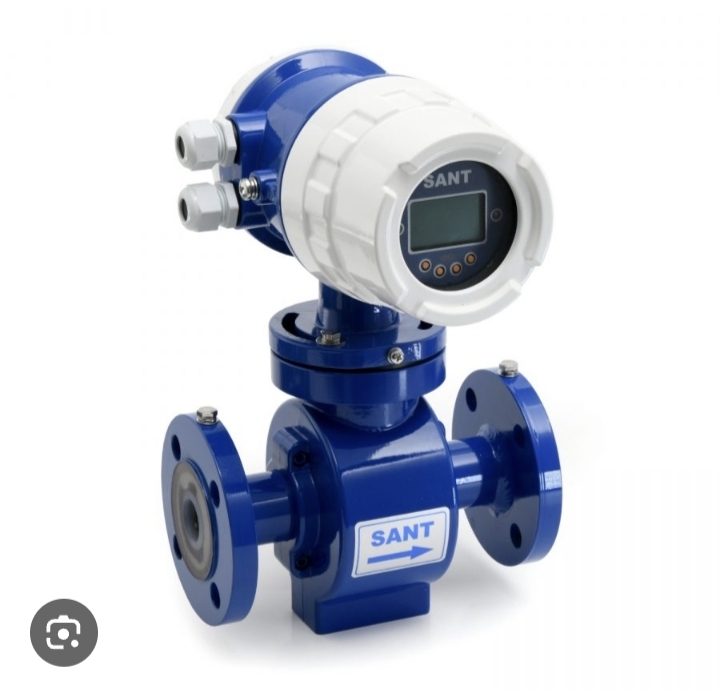
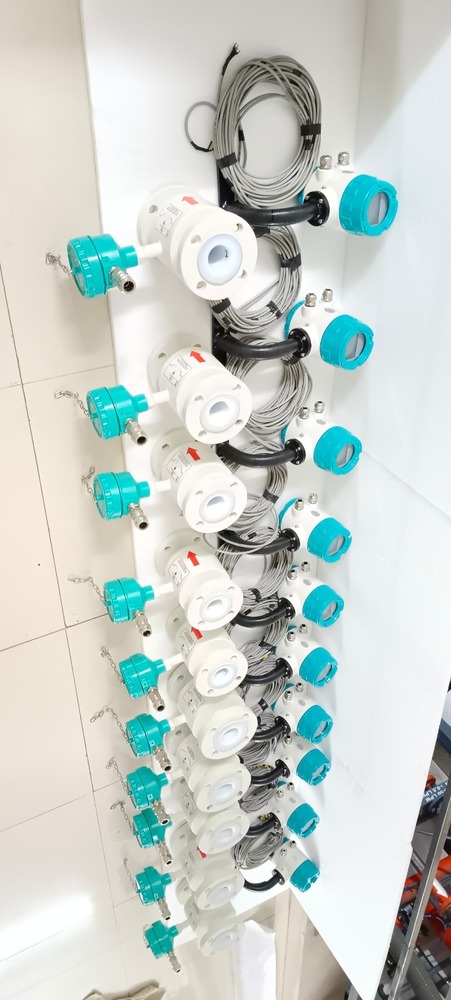
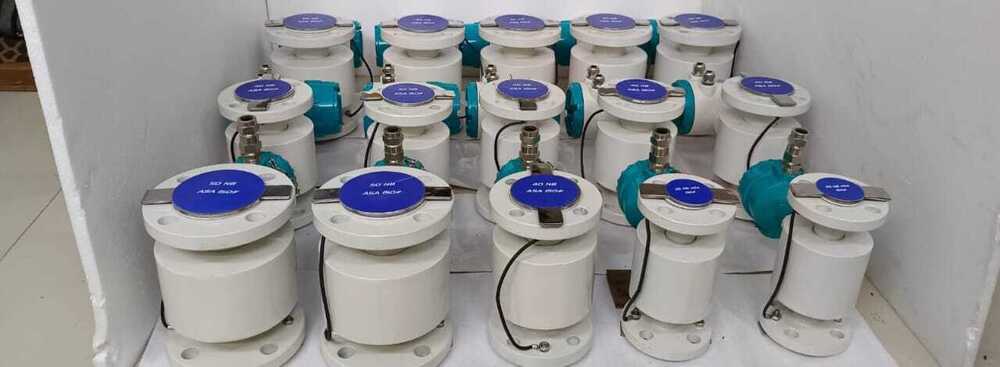
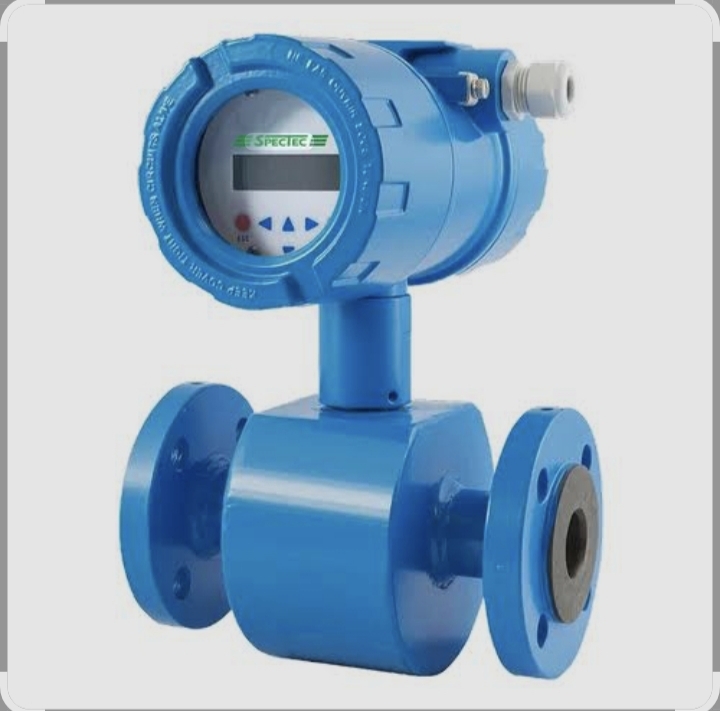
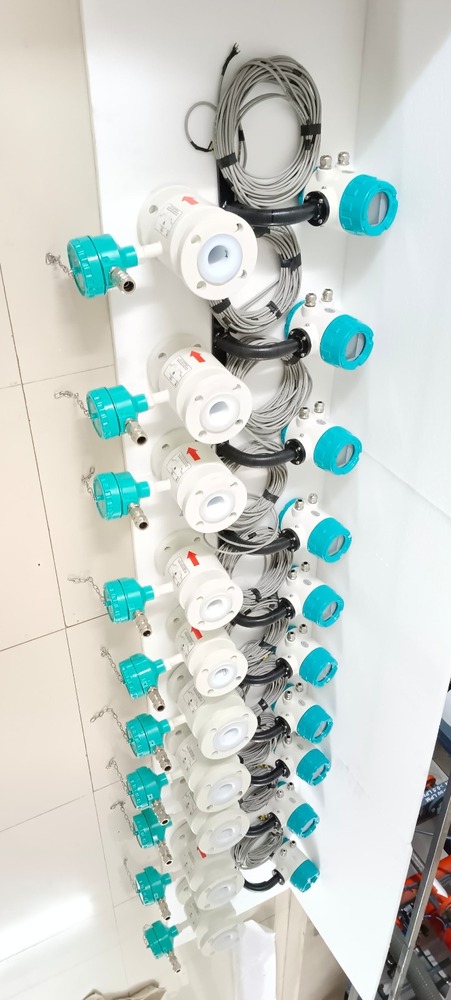
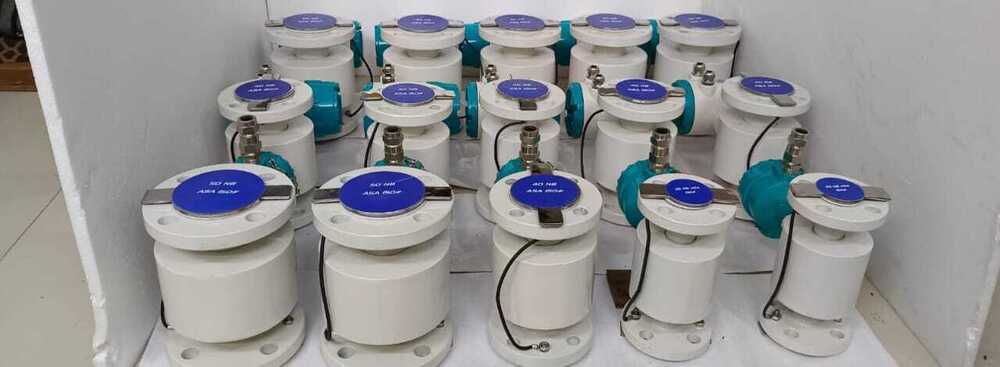
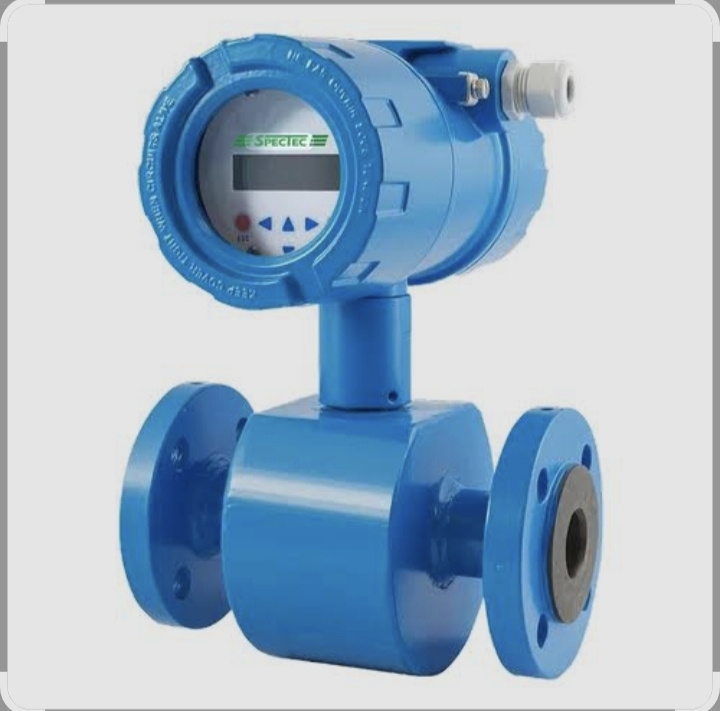
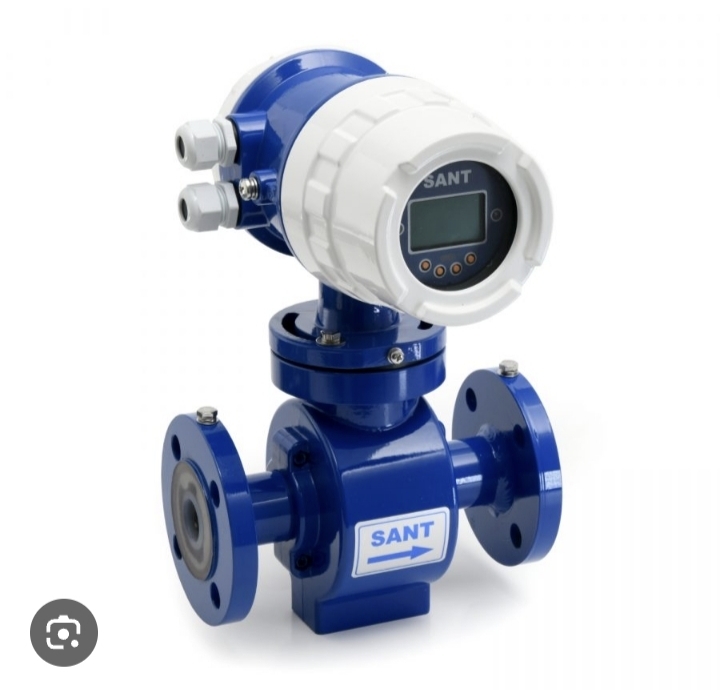
Electro magnetic Flowmeter
Price 45000 INR/ Liter
MOQ : 1 Liter
Electro magnetic Flowmeter Specification
- Equipment Type
- Flow Meter
- Connectivity Type
- Wired
- Protection
- IP65 / IP67 / IP68
- Humidity %
- 95% RH (non-condensing)
- Velocity Range
- 0.3 - 10 m/s
- Housing Material
- Die Cast Aluminum
- Operating Temperature
- 0C to 60C (converter), -20C to 120C (sensor)
- Diameter
- 15mm - 600mm
- Measurement Range
- 0-10 m/s (fluid velocity)
- Connector
- Screw Terminal
- Stability
- 0.1% FS/year
- Response Time
- < 1s
- Dimension (L*W*H)
- Depends on diameter, Request datasheet for details
- Language
- English (Other languages optional)
- Length
- Depends on model
- Connecting Type
- Flange
- Flow Rate
- Based on pipe size and velocity
- Resolution
- 0.001 m/s
- Model
- Electro-magnetic Flowmeter
- Sensor Type
- Electromagnetic (Non-invasive, no moving parts)
- Process Connection
- Flanged EN1092-1, ANSI, JIS standards
- Signal Type
- Analog / Digital
- Output
- 4-20mA, Pulse, RS485, HART (optional)
- Input
- Sensor electrode signal
- Load Capacity
- 500 Ohm (for analog output)
- Application Media
- Conductive liquids
- Sensitivity
- High, for low flow applications
- Mounting
- Flange Type
- Storage Temperature
- -20C to 60C
- Frequency
- 50/60 Hz
- Pressure Range
- Up to 1.6 MPa
- Current Range
- 4-20mA
- Temperature Range
- -20C to 120C (Sensor), 0C to 60C (Transmitter)
- Measuring Units
- m3/h, L/min, user configurable
- Color
- Blue
- Material
- Carbon Steel Body, PTFE / Rubber Liner
- Power Supply
- 220V AC / 24V DC
- Power Consumption
- 20W
- Accuracy
- 0.5% of reading
- Display Type
- Digital LCD
- Range
- Varies with model, typical 0.3-10 m/s
- Power Isolation
- >20M, 500V DC
- Cable Gland Entry
- M20 x 1.5
- Electrode Material
- SS316L / Hastelloy C / Titanium / Tantalum
- Damping Time
- 0.5-60s adjustable
- Data Logging
- Optional, up to 2GB
- Self-diagnosis
- Available
- Explosion Proof
- Optional ATEX
- Zero Adjust
- Automatic / Manual
- Electronics Enclosure
- IP65 / IP67 / IP68 - depending on option
- Approval/Certification
- CE, ISO9001
- Max Pressure
- 1.6 MPa (Standard), Special up to 4 MPa
- Liner Material Options
- PTFE, PFA, FEP, Neoprene, Rubber
- Communication Protocol
- MODBUS / HART / RS485 / Profibus (optional)
About Electro magnetic Flowmeter
An electromagnetic flow meter (also known as a magmeter or magnetic flow meter) is a volumetric flow-measuring device that determines the velocity of electrically conductive liquids, slurries, and pastes as they flow through a pipe.Versatile and Robust Material Construction
Engineered with a choice of advanced electrode materials such as SS316L, Hastelloy C, Titanium, and Tantalum, the flowmeter is compatible with highly corrosive or challenging liquids. Featuring PTFE, FEP, PFA, Neoprene, or Rubber liners, it delivers long-term durability and high temperature resistance, making it suitable for demanding industrial environments.
Advanced Measurement and Control Features
The flowmeter provides reliable readings with 0.5% accuracy, an adjustable damping time, and automatic or manual zero adjustment. Its self-diagnosis and high signal sensitivity ensure stable performance, while communication protocols like MODBUS, HART, and RS485 enable seamless integration with control systems. Optional data logging up to 2GB helps maintain thorough process records.
Rugged Design for Industrial Environments
Constructed with a carbon steel body and die-cast aluminum housing, the meter is protected with IP65, IP67, or IP68-rated enclosures against harsh environmental factors. It supports flange mounting to EN1092-1, ANSI, and JIS standards. The system can be specified for explosion-proof applications (ATEX certified) and operates reliably under temperatures from -20C to 120C.
FAQ's of Electro magnetic Flowmeter:
Q: How does the Electro-magnetic Flowmeter ensure accurate measurements across different liquids?
A: This flowmeter features interchangeable electrodes (SS316L, Hastelloy C, Titanium, or Tantalum) and several liner materials, allowing optimal compatibility with a wide range of conductive fluids. Combined with a digital LCD display and 0.5% reading accuracy, it ensures reliable results for various industrial liquids.Q: What is the process for installing this flowmeter?
A: The meter is designed for flange-type mounting, adhering to EN1092-1, ANSI, or JIS standards. It comes with options for different pipe diameters (15mm-600mm) and can be easily connected using the M20 x 1.5 cable gland for secure wiring. Detailed installation dimensions can be provided via datasheet.Q: When should self-diagnosis and zero adjustment features be used?
A: Activate self-diagnosis regularly to detect system anomalies and maintain optimal operation. Use the automatic or manual zero adjustment during calibration or routine maintenance to compensate for changes in fluid properties or baseline drifts.Q: Where can I utilize this flowmeter effectively?
A: It is ideal for a wide range of industrial environments where conductive liquid measurement is required, such as water treatment, chemical, food processing, and pharmaceuticals. Its robust construction and protection ratings (IP65-IP68) make it suitable for demanding on-site installations.Q: What are the benefits of using advanced communication protocols with this flowmeter?
A: Supporting MODBUS, HART, RS485, and optional Profibus protocols, the flowmeter allows integration into modern plant automation systems. This enhances workflow efficiency, enables remote monitoring, supports easy data logging (up to 2GB with the optional module), and facilitates quick troubleshooting.Q: How does the choice of liner and electrode materials impact performance?
A: Selecting the appropriate liner (PTFE, FEP, PFA, Neoprene, Rubber) and electrode material (SS316L, Hastelloy C, Titanium, Tantalum) ensures chemical compatibility, prevents corrosion, and maximizes operational lifespan in both standard and aggressive process media.Q: What advantages does the flowmeter offer for low flow applications?
A: Thanks to its high sensitivity and a measurement velocity range of 0.3-10 m/s, the meter provides accurate readings even at low flow rates, making it suitable for applications where precise flow monitoring is essential.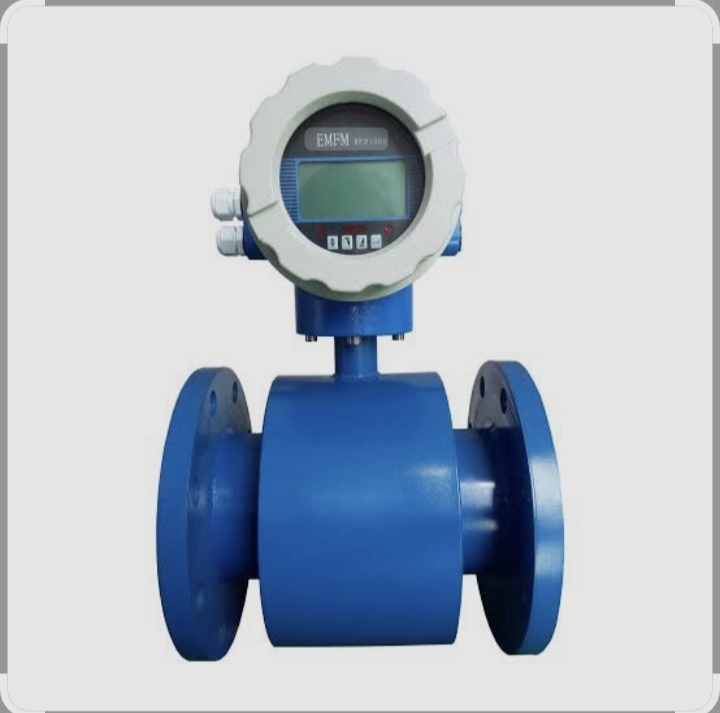
Tell us about your requirement

Price:
Quantity
Select Unit
- 50
- 100
- 200
- 250
- 500
- 1000+
Additional detail
Mobile number
Email

More Products in Flowmeter Category
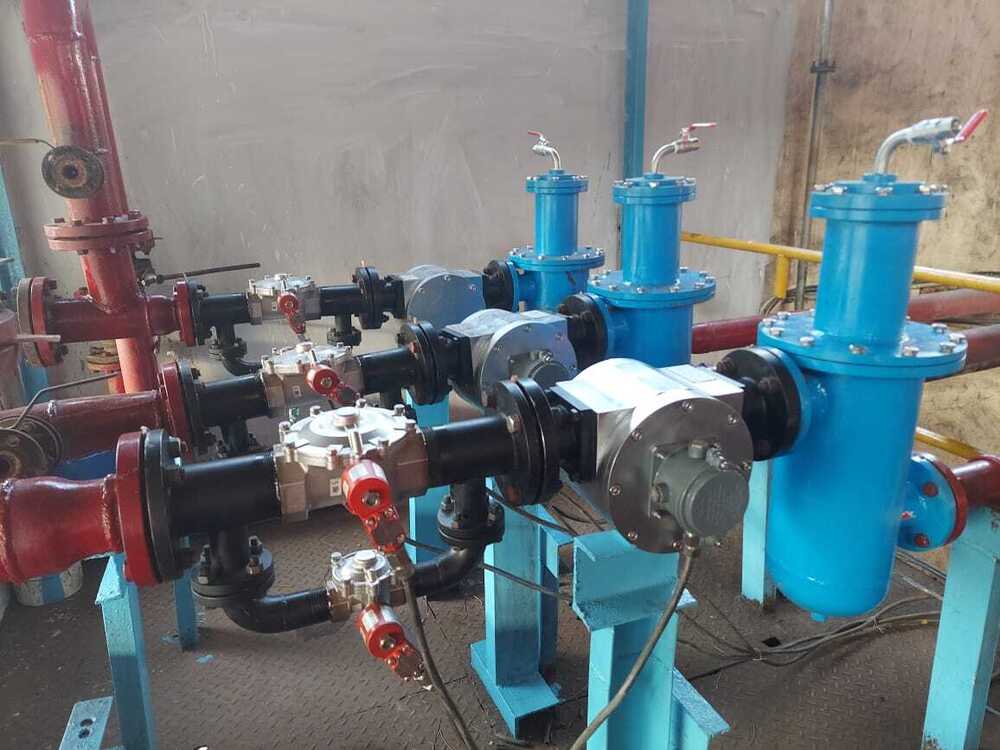
Oval Gear Type Flowmeter
Price 450000 INR / Piece
Minimum Order Quantity : 1 Piece
Color : Blue / Silver / Black
Equipment Type : Positive Displacement Flowmeter
Material : Cast Iron / Stainless Steel / Aluminum
Accuracy : 0.5% of reading
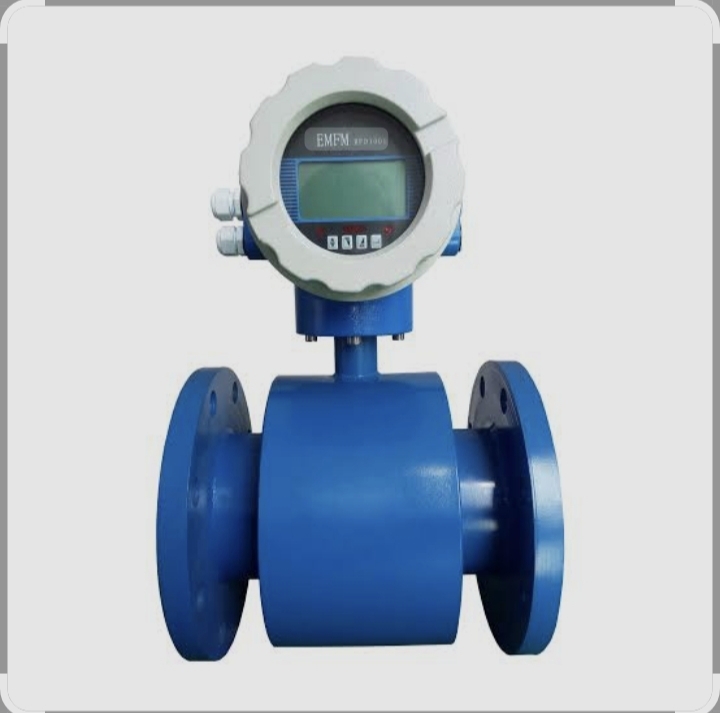
Electromagnetic Flowmeter
Price 25000 INR / Piece
Minimum Order Quantity : 1 Piece
Color : Blue
Equipment Type : Electromagnetic Flowmeter
Material : MS with epoxy coating / Stainless Steel (optional)
Accuracy : 0.5% of reading
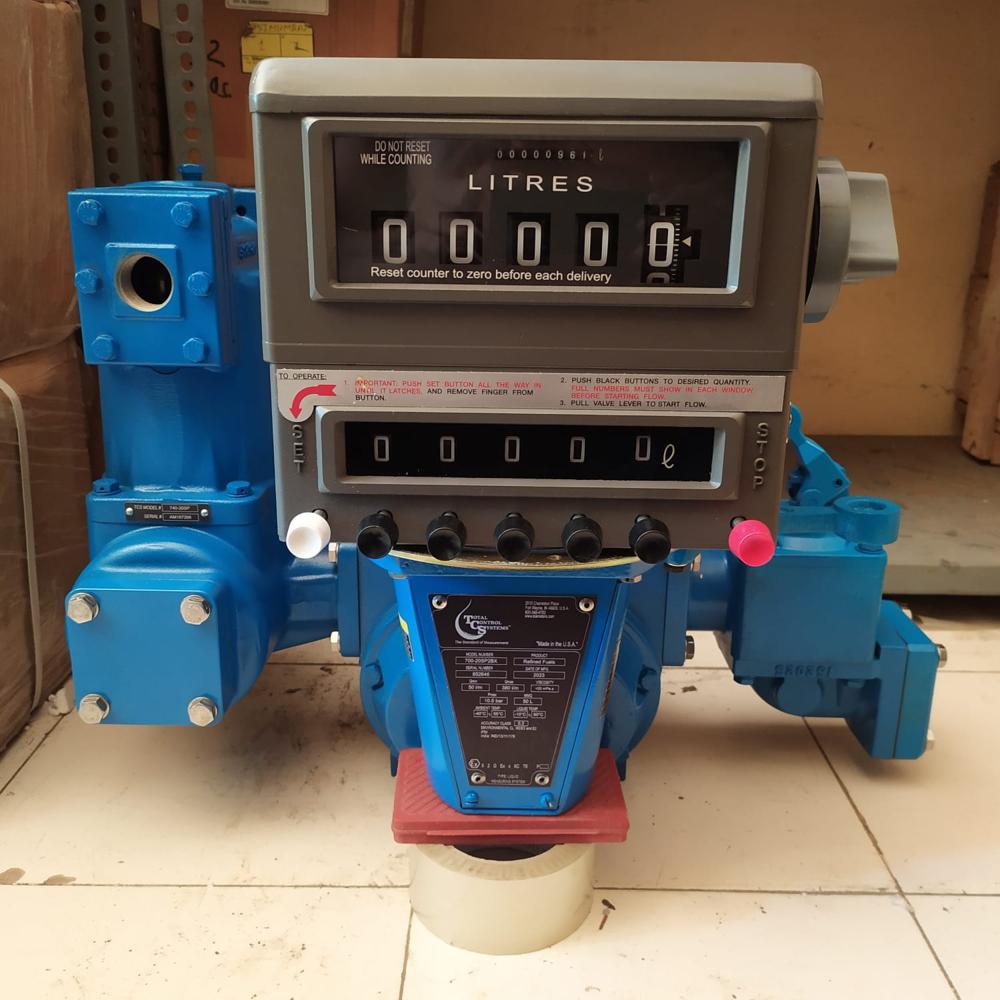
Rotary Type Flow Meter
Minimum Order Quantity : 1 Piece
Color : Blue
Equipment Type : Flow Meter
Material : Mild Steel
Accuracy : 0.15% %
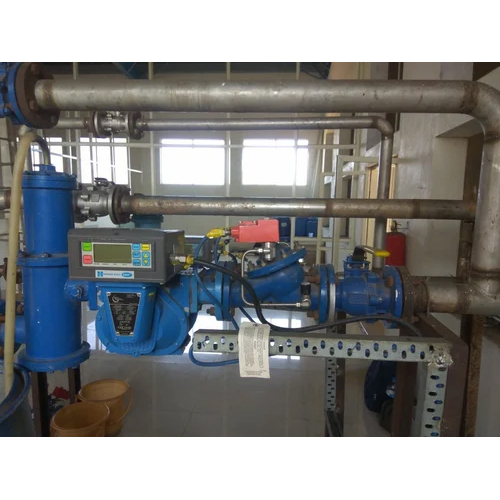
Industrial Fuel Flow Meter
Price 150000 INR / Unit
Minimum Order Quantity : 1 Unit
Color : Blue
Equipment Type : Flow Meter
Material : Stainless Steel
Accuracy : 0.15% %

MARS PRODUCTS & SERVICES
GST : 27AAVFM8062B1ZZ
GST : 27AAVFM8062B1ZZ
605, Crystal Paradise Premises, Dattaji Salvi Marg, off Veera Desai Road, Andheri West,Mumbai - 400053, Maharashtra, India
Phone :07971459938
 Send Inquiry
 Send Inquiry
 Call Me Free
Mars Product And Services
All Rights Reserved.(Terms of Use)
Developed and Managed by Infocom Network Private Limited.
Developed and Managed by Infocom Network Private Limited.

