


 English
 Spanish
 French
 German
 Italian
 Chinese (Simplified)
 Japanese
 Korean
 Arabic
 Portuguese
Call us now
07971459938

 Send Inquiry
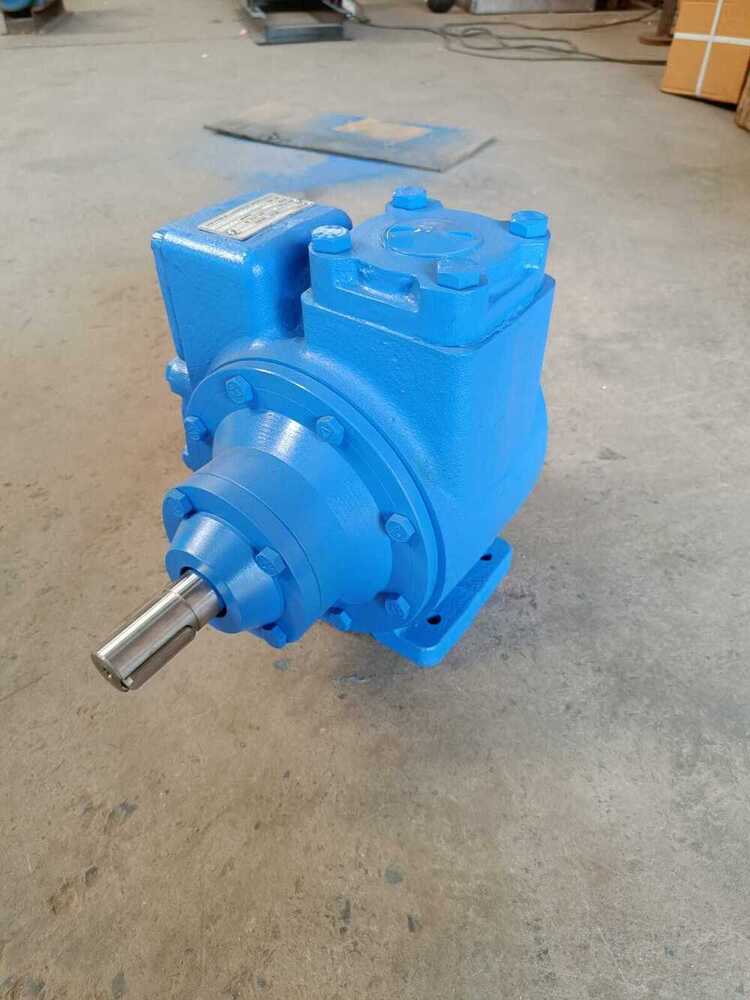
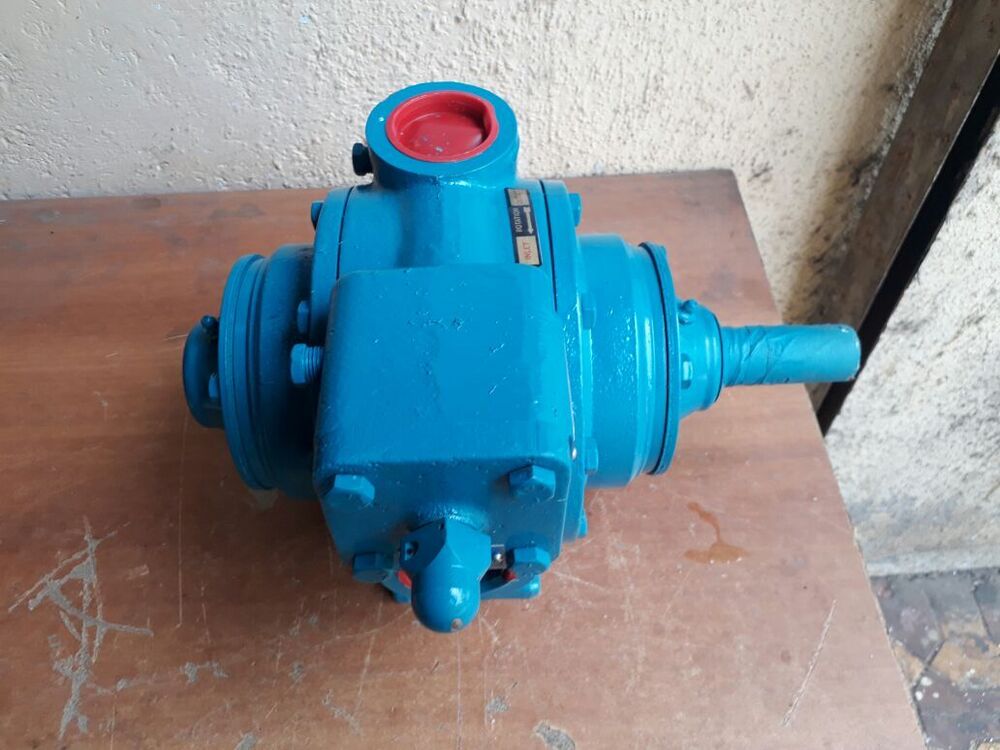
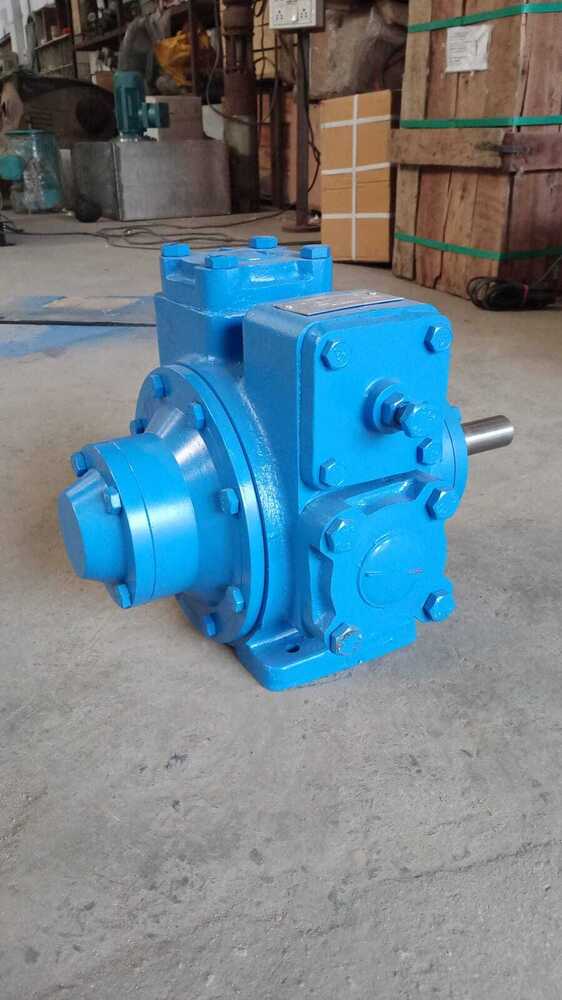
Rotary Vane Pump
Price 45000 INR/ Liter
MOQ : 1 Liter
Rotary Vane Pump Specification
- Features
- Compact Design, High Efficiency, Low Maintenance
- Inlet/Outlet
- 1 Inch / 1.5 Inch (Customizable)
- Max Suction
- 6-9 meters
- Theory
- Rotary Vane Pump
- Caliber
- DN25-DN50
- Working Temperature
- -10C to 80C
- Head Size
- 15-50 meters
- Speed
- 1440/2880 RPM
- Flow Rate
- 10-500 L/min (Model-dependent)
- Noise Level
- <75 dB
- Fuel Tank Capacity
- N/A (Not Applicable)
- Discharge Pressure
- Up to 10 bar
- Control System
- Manual / Automatic (Optional)
- Voltage
- 220V / 380V (Optional)
- Frequency
- 50/60 Hz
- Mounting Type
- Base Mounted
- Material
- Cast Iron / Stainless Steel (Optional)
- Structure
- Single Stage
- Power
- 1-15 HP (Model-dependent)
- Standard
- ISO 9001/CE
- Fuel Type
- Electric
- Pressure
- 1-10 bar
- Usage
- Oil, Diesel, Lubricants & Fluids Transfer
- Application
- Industrial, Chemical, Oil & Gas, Food Processing
- Suction Type
- Vacuum Suction
- Seals Type
- Mechanical Seal / Lip Seal
- Priming
- Self-priming
- Pump Type
- Positive Displacement
- Capacity
- 0.5-30 m3/h
- Lubrication
- Self-lubricating vanes
- Viscosity Range
- Up to 1000 cSt
- Weight
- Approx. 20-120 kg (Model-dependent)
- Cooling
- Air / Oil cooled
- Installation Type
- Horizontal
- Direction of Rotation
- Clockwise / Counterclockwise (Optional)
- Service Life
- Up to 20,000 hours
About Rotary Vane Pump
A Rotary Vane Pump is a type of positive displacement pump that uses a rotating mechanism to move fluids. It consists of a rotor with several vanes that slide in and out of slots as the rotor turns.Robust Performance Across Applications
The rotary vane pump excels in demanding environments such as oil & gas, industrial processes, and food handling. With its positive displacement mechanism, it reliably manages a wide range of fluids, including oils and lubricants. Its ability to handle viscosities up to 1000 cSt ensures dependable operation even in thicker fluid applications, making it a trusted choice for diverse industries.
Flexible Installation and Operation
Designed for horizontal mounting, the pump supports both manual and automatic controls for easy integration into existing systems. With a range of voltage options (220V/380V), it aligns with different regional requirements. The direction of rotation (clockwise or counterclockwise) and customizable inlet/outlet sizes make it adaptable for various installation needs.
Long Service Life and Low Maintenance
Key features such as self-lubricating vanes, air or oil cooling, and durable seals extend service life up to 20,000 hours. Operators benefit from minimal maintenance intervals and reduced downtime, resulting in lower total cost of ownership and improved productivity.
FAQ's of Rotary Vane Pump:
Q: How does the rotary vane pump achieve self-priming and vacuum suction?
A: This pump's self-priming capability is made possible by its positive displacement, rotary vane mechanism. It automatically evacuates air from the suction line, creating a vacuum that allows fluids to be drawn up, enabling suction heights of 6-9 meters.Q: What types of fluids and viscosities can this pump handle?
A: It is designed for oils, diesel, lubricants, and various industrial fluids, managing viscosities up to 1000 cSt. This makes it suitable for both thin and moderately thick fluids used in industrial, chemical, and food processing applications.Q: When should I choose air-cooled versus oil-cooled models?
A: Air-cooled models are ideal for environments with standard operating temperatures, while oil-cooled variants suit higher temperature operations or continuous runs, ensuring optimal thermal management and pump longevity.Q: Where can this rotary vane pump be installed and used?
A: Thanks to its compact, base-mounted, and horizontally oriented design, the pump is suitable for industrial settings, chemical plants, food processing lines, as well as oil and gas installations across various business sectors.Q: What are the benefits of its self-lubricating vanes and robust construction?
A: The self-lubricating vanes minimize wear and ensure smoother operation, reducing maintenance. The option of cast iron or stainless steel construction enhances durability and corrosion resistance, providing longevity even with demanding fluids.Q: How does the pump ensure reliable operation and easy maintenance?
A: Advanced features like mechanical or lip seals, optional automatic control, low noise (<75 dB), and compliance with ISO 9001/CE standards promote safe, trouble-free operation and streamlined upkeep.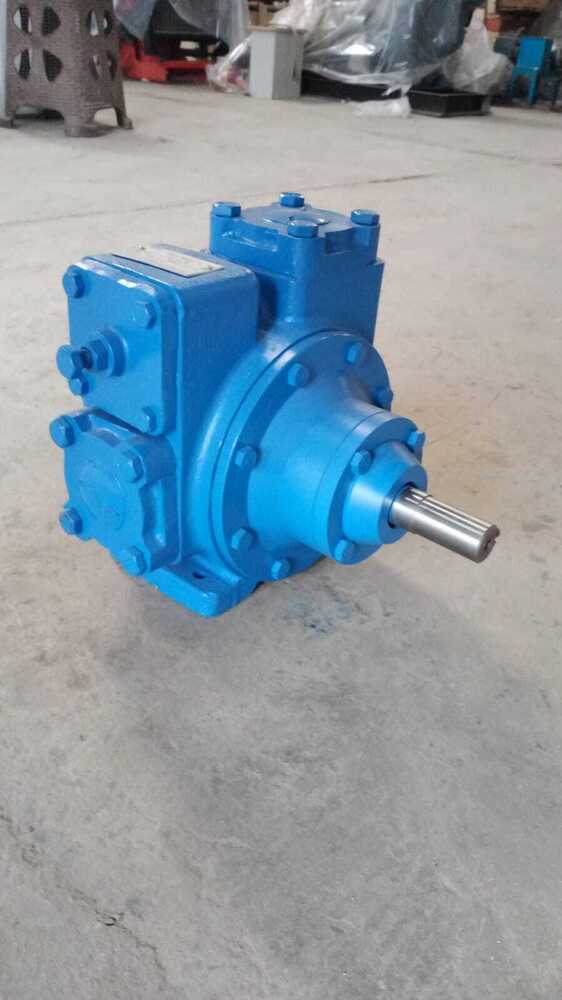
Tell us about your requirement

Price:
Quantity
Select Unit
- 50
- 100
- 200
- 250
- 500
- 1000+
Additional detail
Mobile number
Email

More Products in PTO And Battery-Operated Pump Category
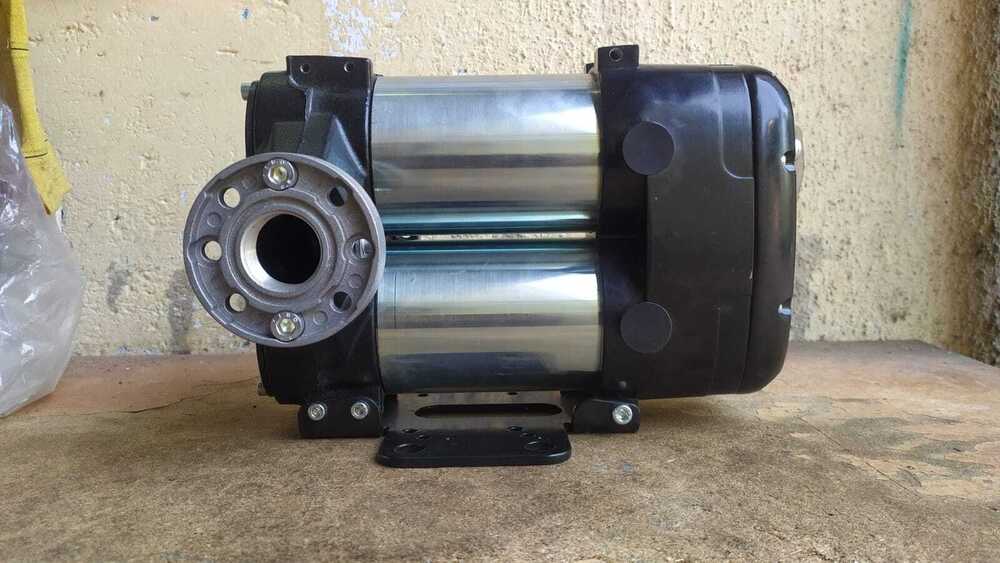
Battery Operated Pump
Price 45000 INR / Liter
Minimum Order Quantity : 1 Liter
Flow Rate : 1530 L/min (varies by model)
Material : Stainless Steel / Engineering Plastic
Usage : Other, Water transfer, Agricultural, Gardening, Construction
Standard : ISO 9001
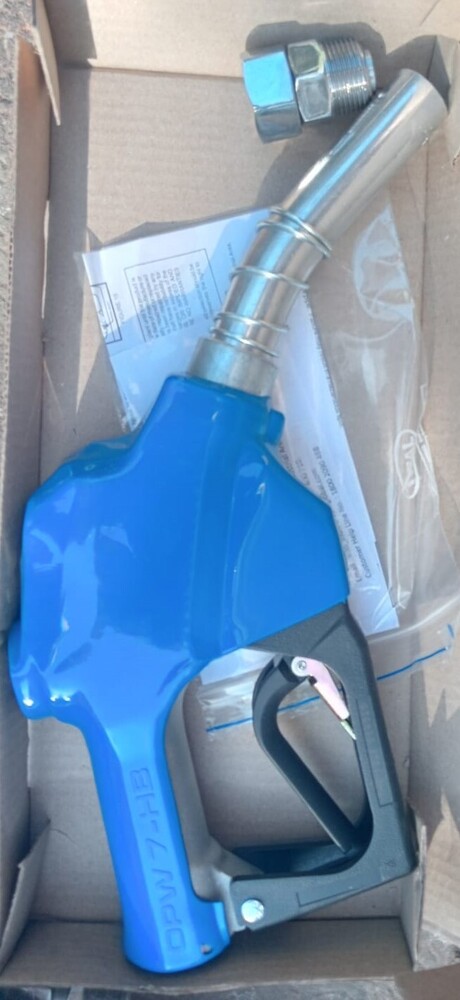
Diesel Nozzle
Price 7000 INR / Liter
Minimum Order Quantity : 1 Liter
Flow Rate : 6080 L/min (approx.)
Material : Aluminum Alloy with PVC coating
Usage : Other, Diesel fuel transfer/pumping
Standard : Industry Standard
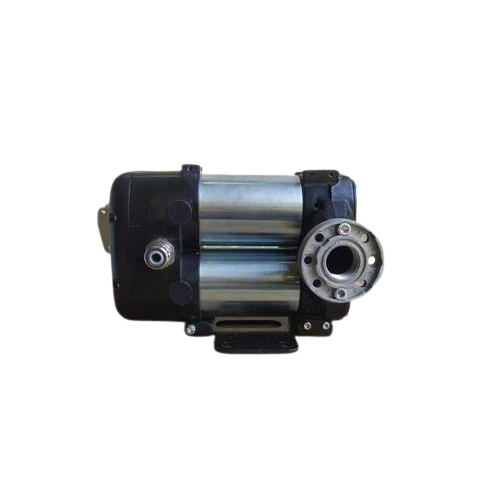
12V PIUSI Diesel Pump
Price 45000.00 INR / Unit
Minimum Order Quantity : 1 Unit
Flow Rate : 100 LPM
Material : Cast Steel
Usage : Commercial fleets, agriculture, and construction
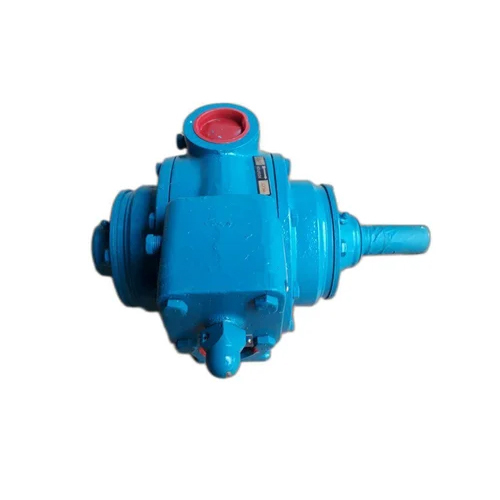
150 LPM Rotary Vane Pump
Price 85000 INR / Unit
Minimum Order Quantity : 1 Unit
Flow Rate : 50 LPM
Material : Aluminium / Casting Iron
Usage : Liquid Measurement for petroleum products
Standard : High

MARS PRODUCTS & SERVICES
GST : 27AAVFM8062B1ZZ
GST : 27AAVFM8062B1ZZ
605, Crystal Paradise Premises, Dattaji Salvi Marg, off Veera Desai Road, Andheri West,Mumbai - 400053, Maharashtra, India
Phone :07971459938
 Send Inquiry
 Send Inquiry
Mars Product And Services
All Rights Reserved.(Terms of Use)
Developed and Managed by Infocom Network Private Limited.
Developed and Managed by Infocom Network Private Limited.

