


 English
 Spanish
 French
 German
 Italian
 Chinese (Simplified)
 Japanese
 Korean
 Arabic
 Portuguese
Call us now
07971459938

 Send Inquiry
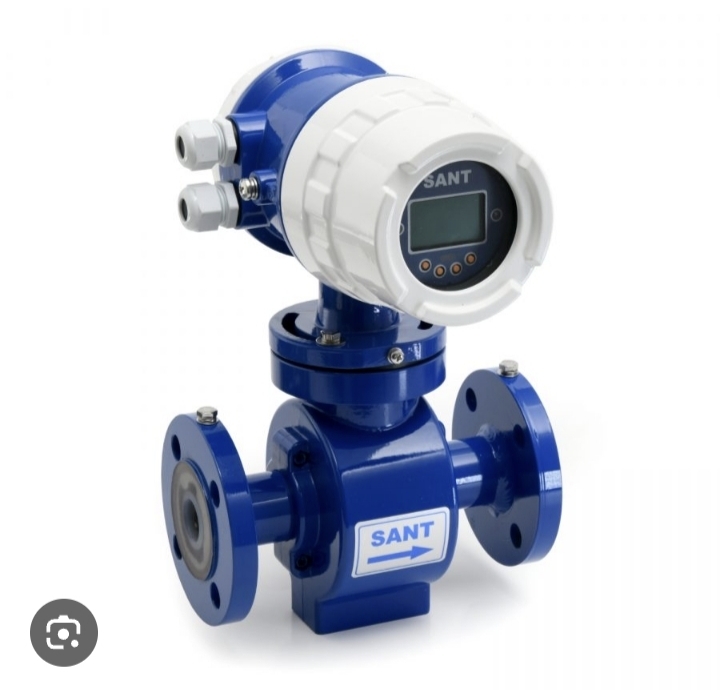
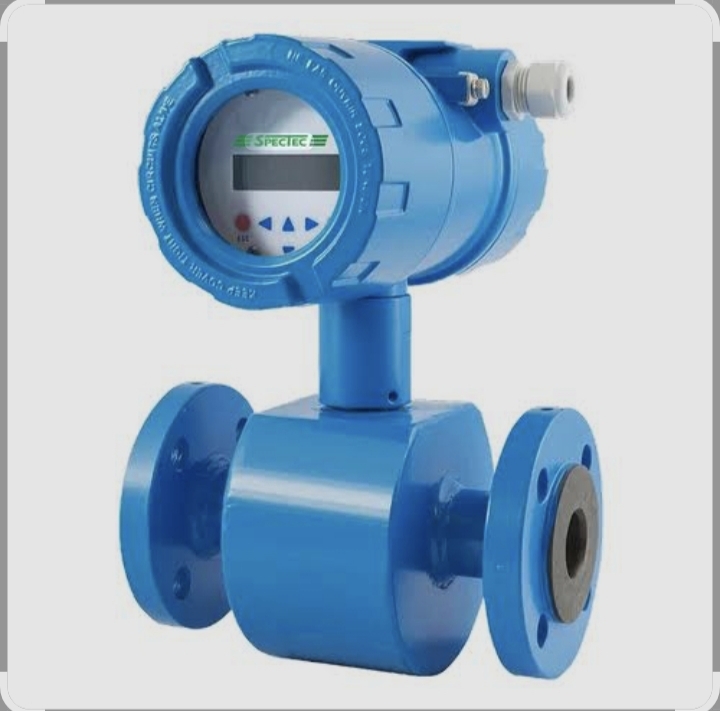
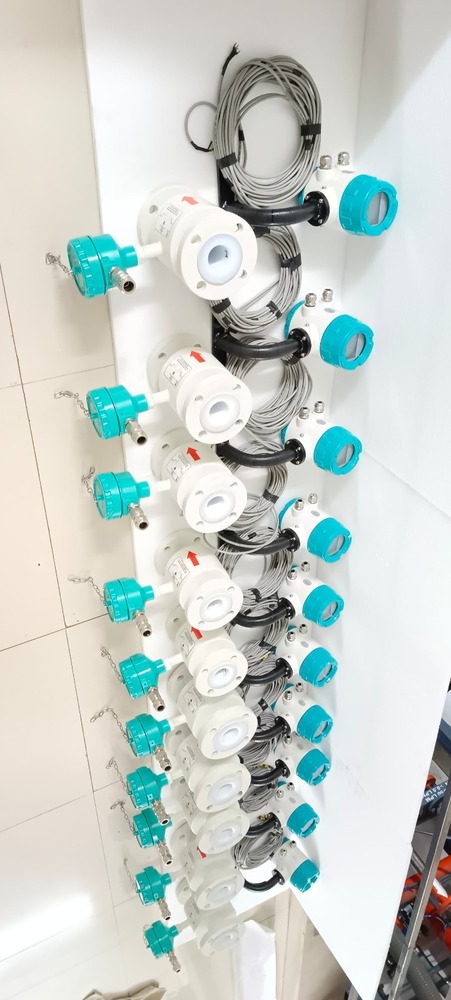
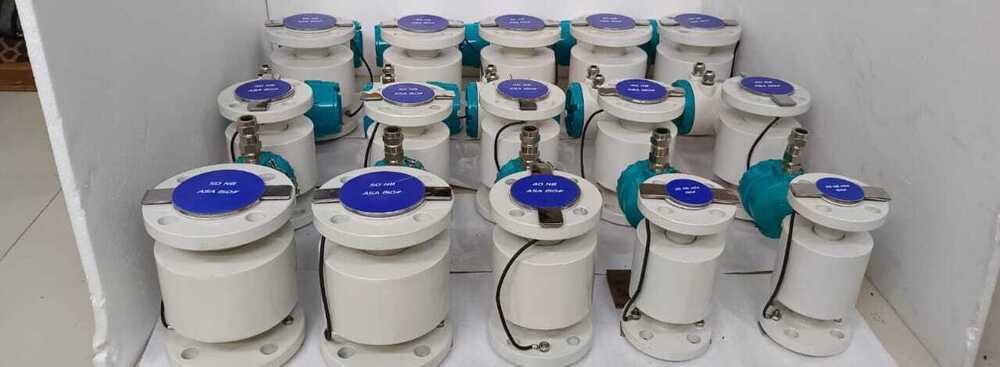
Electromagnetic Flowmeter
Price 25000 INR/ Piece
MOQ : 1 Piece
Electromagnetic Flowmeter Specification
- Equipment Type
- Electromagnetic Flowmeter
- Application Media
- Conductive liquids
- Stability
- High
- Connecting Type
- Flange ends
- Temperature Range
- Up to 60C
- Flow Rate
- Up to 20000 m3/h (depending on pipe size)
- Storage Temperature
- -20C to +70C
- Capacity
- Based on line size
- Sensitivity
- High
- Output
- 4-20mA, Pulse, RS485
- Housing Material
- Aluminum die cast
- Measuring Units
- m3/h, L/min, etc.
- Diameter
- 15 mm to 600 mm
- Connector
- Screw or flange
- Current Range
- 4-20 mA
- Color
- Blue
- Resolution
- 0.001 m3/h
- Process Connection
- Flanged
- Model
- EFM-Series
- Response Time
- <1s
- Measurement Range
- 0.05 m/s to 10 m/s
- Pressure Range
- Up to 10 bar
- Operating Temperature
- -20C to +60C
- Connectivity Type
- Wired
- Length
- Standard based on diameter
- Protection
- IP65 / IP68 (optional)
- Frequency
- 50/60 Hz
- Signal Type
- Analog / Digital
- Sensor Type
- Electromagnetic
- Language
- English
- Humidity %
- 0% - 95% RH
- Input
- Flow velocity of conductive liquid
- Mounting
- Flange
- Dimension (L*W*H)
- Depends on diameter size
- Velocity Range
- 0.05 m/s to 10 m/s
- Material
- MS with epoxy coating / Stainless Steel (optional)
- Power Supply
- 220V AC / 24V DC
- Power Consumption
- <15W
- Accuracy
- 0.5% of reading
- Display Type
- Digital LCD display
- Range
- 0.05 m/s to 10 m/s
- Installation Orientation
- Horizontal/Vertical
- Ingress Protection
- IP65/IP68 (Optional)
- Communication Protocols
- MODBUS, HART (on request)
- Electrode Material
- SS316L / Hastelloy / Titanium (Options available)
- Calibration
- Factory calibrated with certificate
- Power Supply Variants
- 85V-265V AC, 9-36V DC
- Liner Material
- PTFE / Rubber / Neoprene
- Output Signal
- Pulse, 4-20mA, RS485 MODBUS
- Permitted Temperature of Fluid
- Up to 120C (Depends on liner type)
- Cable Entry
- 2 x M20x1.5
- Data Logger
- Optional
About Electromagnetic Flowmeter
An electromagnetic flow meter (also known as a magmeter or magnetic flow meter) is a volumetric flow-measuring device that determines the velocity of electrically conductive liquids, slurries, and pastes as they flow through a pipe.Precision Flow Measurement
Experience consistently accurate readings, with the EFM-Series offering a measurement range spanning 0.05 m/s to 10 m/s and accuracy within 0.5% of full scale. The device processes input from conductive fluids in pipes with diameters from 15 mm to 600 mm, accommodating various industrial requirements. Factory calibration, accompanied by a certificate, ensures long-term measurement reliability and compliance.
Tailored for Tough Environments
Choose from durable electrode materials (SS316L, Hastelloy, Titanium) and liners (PTFE, Rubber, Neoprene) to match your process media. With ingress protection levels of IP65 or optional IP68, and a rugged die-cast aluminum housing, the EFM-Series survives aggressive chemicals and extreme installation conditions, including temperatures up to 120C and pressures up to 10 bar.
Flexible Integration and Control
The EFM-Series simplifies process automation with a selection of outputs-analog, pulse, or digital-such as 4-20mA and RS485 MODBUS, plus optional HART protocol. Dual M20x1.5 cable entries, a digital LCD interface, and optional data logger support versatile connectivity. Installation is straightforward with flange ends for horizontal or vertical orientations, adaptable to existing pipelines.
FAQ's of Electromagnetic Flowmeter:
Q: How do I select the correct electrode and liner material for my application?
A: The choice of electrode and liner depends on the chemical composition, temperature, and abrasiveness of the fluid being measured. SS316L is suitable for most water and mild chemicals; Hastelloy and Titanium are recommended for highly corrosive or specialized applications. PTFE liners suit aggressive chemicals and high temperatures (up to 120C), while Rubber and Neoprene are for less aggressive or abrasive fluids. Consult your process specifications for optimal compatibility.Q: What are the installation requirements for the EFM-Series Electromagnetic Flowmeter?
A: The flowmeter is designed for flange mounting and can be installed in both horizontal and vertical pipeline orientations. Ensure a full pipe during operation for accurate results. The instrument can be used with mating flange standards and varies in length based on diameter size, accommodating pipe bores from 15 mm to 600 mm.Q: When should I choose the IP68 ingress protection option?
A: Select IP68 protection if the meter will be subjected to frequent submersion, direct water exposure, or demanding outdoor environments, ensuring the flowmeter remains waterproof and dustproof. IP65 is suitable for standard industrial locations without immersion concerns.Q: Where can this electromagnetic flowmeter be used?
A: The EFM-Series is ideal for measuring conductive fluids in industries such as water treatment, chemical processing, food and beverage, pharmaceuticals, and more, provided the process fluid contains ions for electrical conductivity.Q: What output and communication protocols are available and how can they benefit my process?
A: The flowmeter offers 4-20mA (analog), Pulse, and RS485 MODBUS (digital) outputs as standard. Optional protocols like HART are available upon request. These allow seamless integration with SCADA, PLCs, and plant automation systems for real-time monitoring, control, and data logging, enhancing operational efficiency.Q: How does the EFM-Series benefit my process operations?
A: With high stability, fast response time (<1 second), accuracy, and digital LCD readouts, this flowmeter delivers reliable flow data for efficient process control. Its robust construction, versatile mounting, and comprehensive signal outputs enable flexible usage across diverse operational environments, reducing downtime and maintenance costs.Q: What is the process for calibration and ensuring long-term accuracy?
A: Every EFM-Series meter is factory calibrated, with a calibration certificate provided for verified performance. Periodic calibration can be conducted per your industry's quality standards or regulatory requirements to confirm continued measurement accuracy.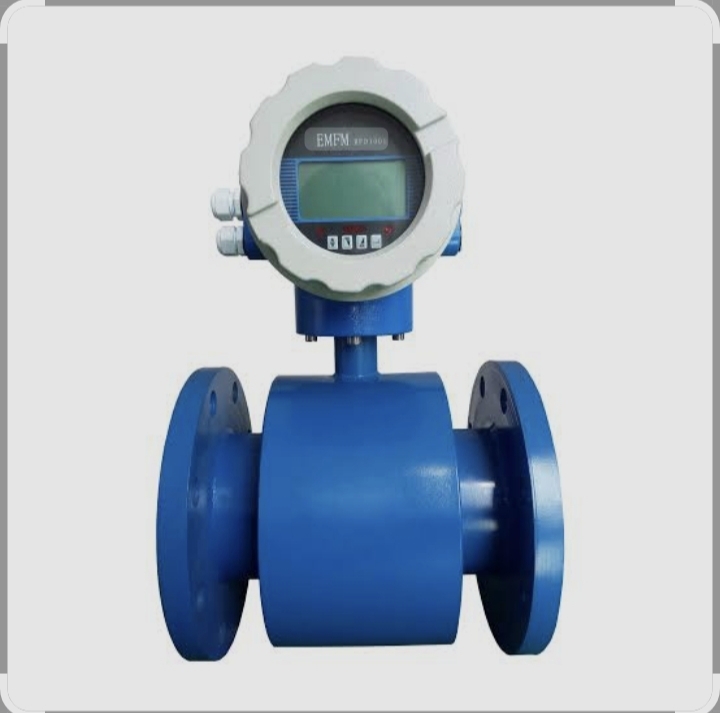
Tell us about your requirement

Price:
Quantity
Select Unit
- 50
- 100
- 200
- 250
- 500
- 1000+
Additional detail
Mobile number
Email

More Products in Flowmeter Category
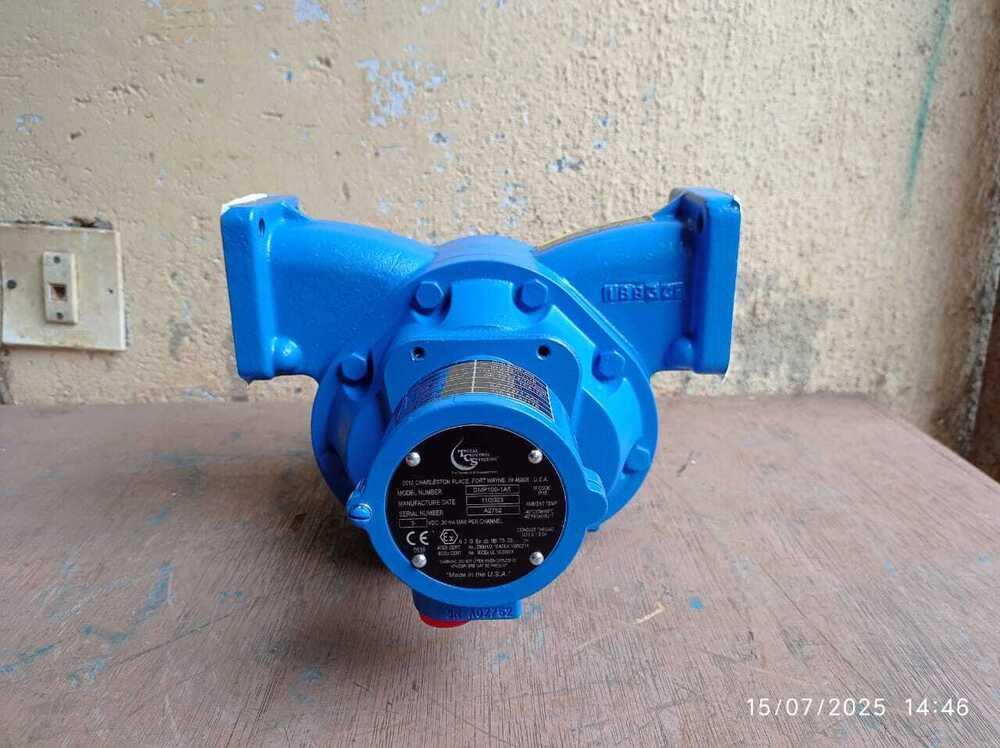
Pulse Transmitter for PD Flowmeter
Price 15000 INR / Liter
Minimum Order Quantity : 1 Liter
Range : According to flowmeter model
Power Supply : 24 VDC / 220 VAC
Material : Aluminium / Stainless Steel
Color : Blue (Standard)
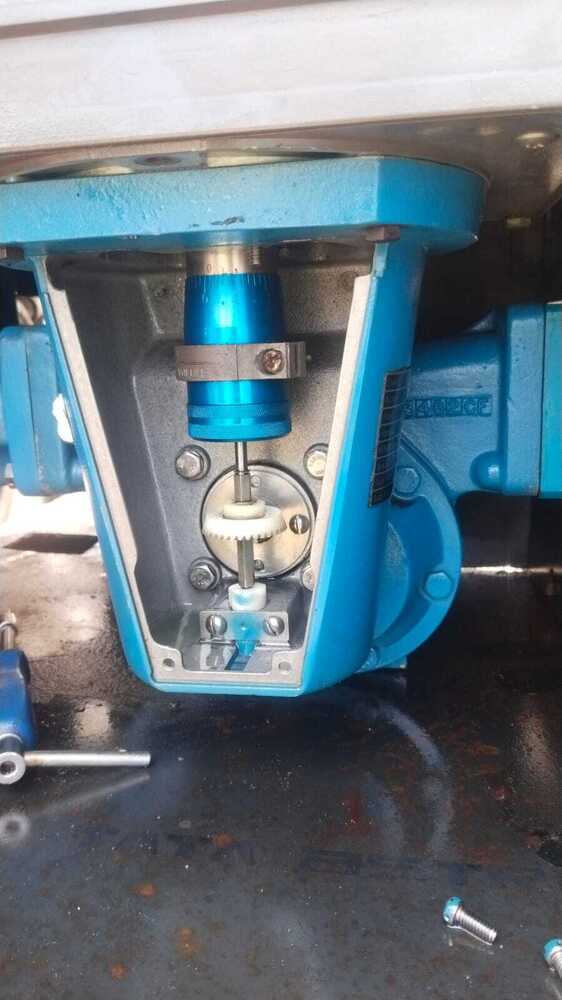
Flowmeter Repairing Services
Price 5500 INR / Meter
Minimum Order Quantity : 1 Meter
Range : According to Flowmeter Type
Power Supply : Not Applicable (Repairing Service)
Material : Service for Steel / Aluminum / Composite Flowmeters
Color : Service Includes Body Refurbishment (Blue/Grey standard)
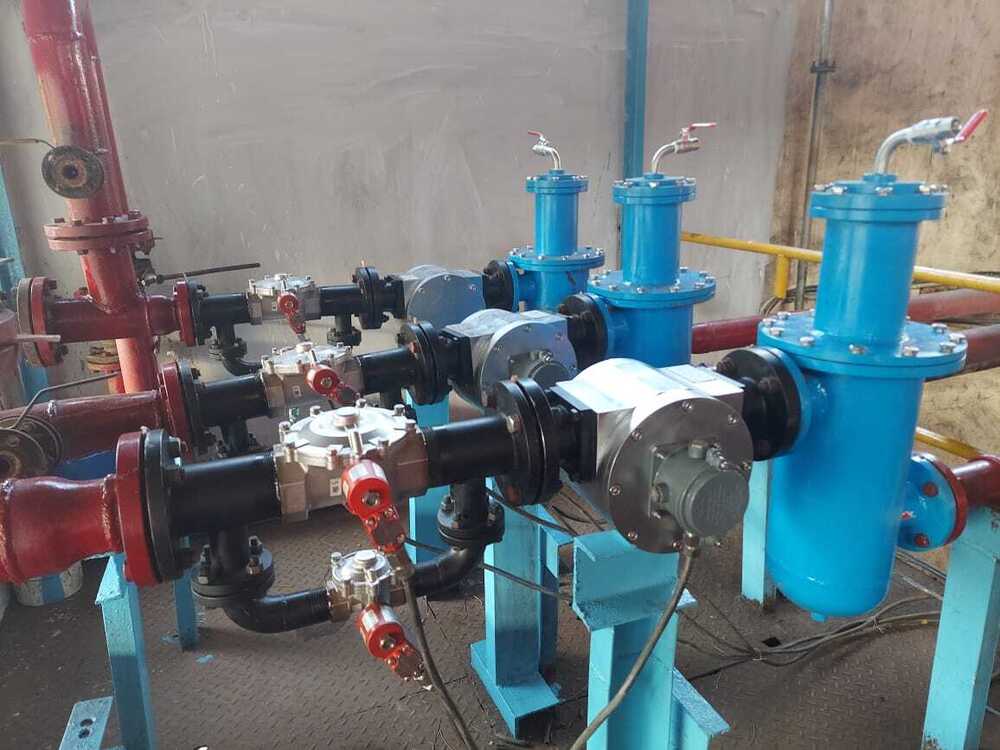
Digital Flow meter
Price 250000 INR / Meter
Minimum Order Quantity : 1 Meter
Range : 0.5 to 10,000 m3/h
Power Supply : 24V DC or 230V AC
Material : Stainless Steel/Carbon Steel/Aluminum
Color : Blue/Black/Silver
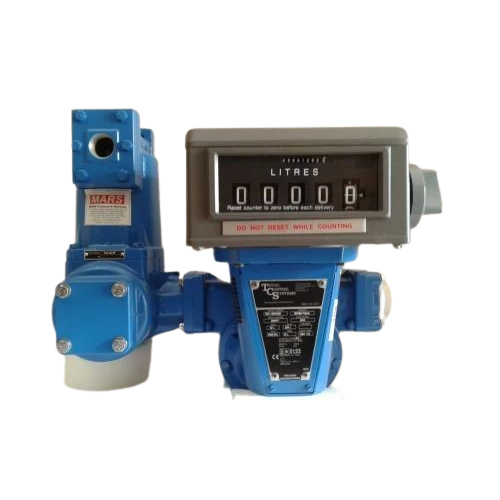
Mechanical Fuel Flow Meter
Price 360000 INR / Unit
Minimum Order Quantity : 1 Unit
Range : 27225
Power Supply : Electric
Material : Aluminium
Color : Blue

MARS PRODUCTS & SERVICES
GST : 27AAVFM8062B1ZZ
GST : 27AAVFM8062B1ZZ
605, Crystal Paradise Premises, Dattaji Salvi Marg, off Veera Desai Road, Andheri West,Mumbai - 400053, Maharashtra, India
Phone :07971459938
 Send Inquiry
 Send Inquiry
 Call Me Free
Mars Product And Services
All Rights Reserved.(Terms of Use)
Developed and Managed by Infocom Network Private Limited.
Developed and Managed by Infocom Network Private Limited.

